
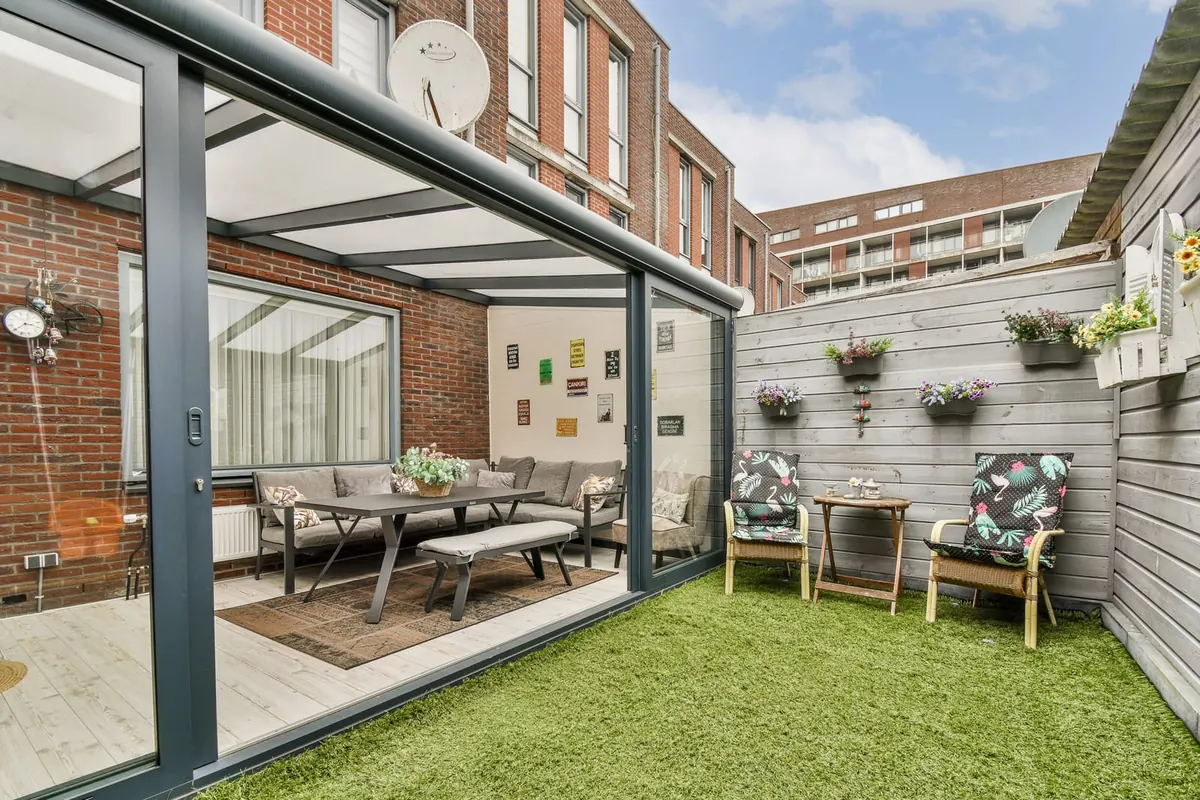
On plenty of Rainford semis and bungalows, there is a conservatory that was the best room in the house twenty years ago and is now the worst. If you are planning a conservatory removal in Rainford, you probably know the signs. The roof leaks at the joint with the wall, and the polycarbonate has gone cloudy. Condensation runs down the glass every morning, and nobody sits in it from October to April. If it is coming down before the winter weather sets in, think the waste through now. What comes out of a conservatory is heavier and more awkward than most people expect.
Why Take It Down Before Winter
A conservatory that already lets water in will only get worse once the autumn storms and frosts arrive. Leaks at the roof and the wall plate can soak the dwarf wall and the house wall behind it. Failed seals also let damp into the frames. So take it down while the weather still allows a dry day or two. Then you can make good the opening into the house, brick it up or fit a door before the worst of the rain. It also gives you the winter to decide what comes next. You might rebuild, replace it with a proper extension or simply get the garden back.
What a Conservatory Removal in Rainford Produces
Break the job down and there are four main types of waste. The frames are usually uPVC, sometimes with aluminium or timber in older builds. They are bulky but not especially heavy. The glazing comes out as large panels of sealed double-glazed units, which take up a lot of room and need careful handling. The roof is either glass or polycarbonate sheets, which are light but long and awkward.
Then there is the heavy part. Most conservatories sit on a brick dwarf wall built on a concrete base. Once that wall comes down and you break out the base, you are left with brick, mortar, concrete and hardcore. This is the material that decides your skip size. Rubble reaches a skip’s weight limit long before the container looks full.
Glass Panels Need Careful Handling
Glass is the part of the job most likely to cause an injury. Take the units out whole where you can, and lay them flat into the skip rather than dropping them. Never put loose broken glass where someone will reach in later. If there is a lot of glazing, tell us when you book. Then we know what is coming back to our yard and can advise on loading. Gloves, eye protection and a second pair of hands are worth having for every panel.
Check Older Roofs and Soffits for Asbestos
Older conservatories, and the house walls they fix to, can hide materials that cannot go in a skip. HSE guidance on where asbestos is found says it can be in any building built or refurbished before 2000. That includes roof sheets, soffits, fascias, gutters and downpipes. Some older lean-to roofs and the boarding around them fall into that category.
The conservatory, or the section of house it joins, may date from before 2000. If you are unsure what a panel or board is made of, stop and get it checked before you break it. Asbestos can never go in a skip, and our guide to asbestos and skip hire explains the safe route.
Choosing a Skip for Conservatory Removal in Rainford
A typical conservatory has a brick dwarf wall and a concrete base. For that, the 8 tonne builders skip is usually the right choice. It is designed for heavier building waste, so it copes with the brick and concrete. There is still room for frames and glass on top if you load the rubble first and keep it level.
Some conservatories have no dwarf wall and sit on a timber deck. In other cases the base stays in place for a new structure. Either way, the load is much lighter and bulkier, and a different size may suit better. Our skip sizes page sets out the options. Separating the heavy material from the frames and glazing as you go makes it much easier to tell which you need.
Where the Skip Goes in Rainford
Rainford is a village in St Helens borough, close to the West Lancashire border. Many homes here have a drive at the front with room for a skip. If it sits on your own driveway, you need no permit. If it has to go on the road, St Helens Council is the highway authority and the skip company applies for the permit. So we handle it on your behalf. Our guide to skip permits explained covers the basics. Mention road placement when you first call so we can arrange it in good time.
Remember that a conservatory sits at the back of the house. Every brick and frame has to come round the side. Check the side path is clear and wide enough for long frame sections before the work starts.
What Else to Keep Out
A few items cannot go in a mixed skip. Tyres, gas bottles, paint tins with liquid still in them, electrical items and asbestos all need to go another way. A conservatory removal in Rainford often turns up an old fan heater, a dehumidifier or outdoor lighting. These are electrical items, so keep them aside for the council’s household waste recycling centre or a retailer take-back scheme. If you are unsure about anything, call before it goes in.
Once we collect the skip, it comes back to our own recycling centre. We sort it there rather than handing it to a third party. Brick and concrete go into hardcore, we pull out metal and timber, and we reuse as much as possible. Our environmental and recycling page has more detail. Perhaps you are only changing the roof rather than taking the whole thing down. Our article on conservatory roof replacement waste in Ainsdale covers that job. Our guide to conservatory removal skip hire in Bamber Bridge looks at a full removal elsewhere.
Booking a Skip for Conservatory Removal in Rainford
Tell us whether there is a dwarf wall, how much glazing is coming out and whether the base is staying. Then tell us where the skip can sit. We will tell you plainly which size fits your conservatory removal in Rainford. You can find more about skip hire in Rainford on our area page. Ring our team on 0151 909 6399 or use our contact page.