
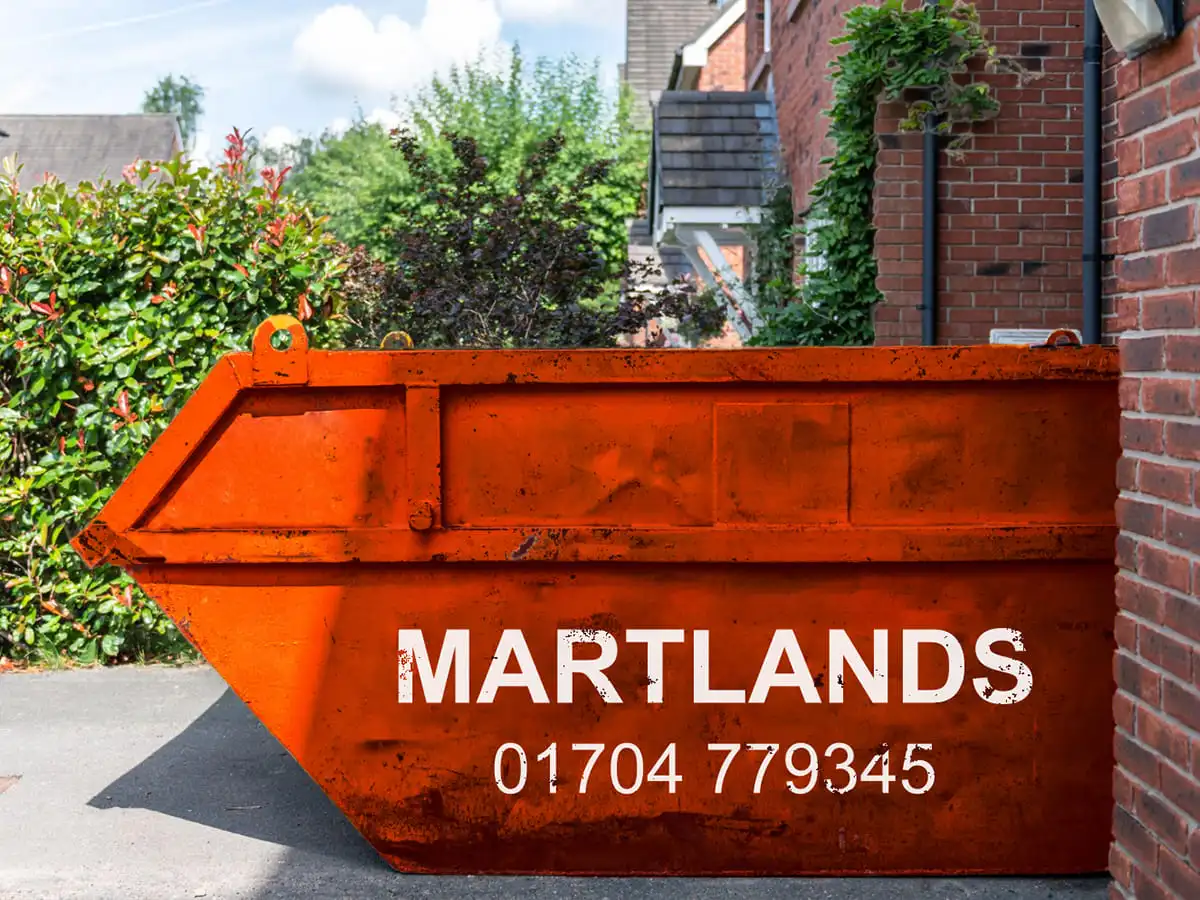
Bulky waste can be a tricky and sometimes costly task. Whether you’re clearing out old furniture, appliances, or large items that just won’t fit in your regular bin, managing the disposal without breaking the bank is crucial. In this post, we’ll share a detailed guide to cut rubbish clearance costs so you can save money next time you need to clear out bulky waste. Before you jump straight to disposal, consider whether your bulky waste could have a second life.
Rethinking bulky waste
When faced with bulky waste, the first instinct might be to hire a skip or call a private clearance firm. But there are smarter, cheaper, and more sustainable options worth exploring. From giving items a second life to taking advantage of council services, a little planning can dramatically reduce costs. This guide to cut rubbish clearance costs emphasises practical steps you can take, with a focus on community-minded and cost-conscious choices. So whether you’re downsizing, renovating, or simply decluttering, you’ll find strategies that help you save money while keeping waste out of landfill.
Second life for bulky items – rethink, reuse, or donate
Before disposal, pause to assess if your bulky waste could have a second life. Furniture, appliances, or even old mattresses that are still in decent condition, clean, and working often have a second life waiting for them. If you live in an area with good footfall, one of the simplest ways to save on rubbish clearance costs is to place the item outside your house with a friendly “take me” sticker. You may be surprised how quickly someone will adopt your unwanted items.
- – Donating to charity: Many charitable organisations offer collections and will send a van to pick up your bulky waste items. This reduces your rubbish clearance costs and helps others in need.
- – Local buy-sell or freecycle networks: Post items locally; sometimes a quick post is all it takes to find a new home for a sofa, chair, or kitchen appliance.
- – Refurbish or repurpose: A fresh coat of paint, new upholstery, or simple repairs can restore value and extend the life of usable items.
By prioritising a second life for bulky items, you cut disposal costs and support a circular economy. It’s often cheaper and more satisfying than seeing items go straight to the tip.
Do-it-yourself disposal – tips to lower costs
If you decide to move bulky waste yourself, there are several strategies to keep expenses down.
- – Transport and access: Take it to your nearest council tip if possible. If you have access to a vehicle, transporting your bulky waste yourself to the local council tip is often the cheapest way to dispose of it. Most council tips will accept your waste free of charge as long as you can prove you are a local resident. Remember, commercial vehicles may incur charges or be refused access.
- – Check opening hours and rules: Check your local council’s website for opening hours and any specific rules about what you can take to the tip.
- – Avoid expensive extras: By taking bulky waste to the tip yourself, you avoid the expensive fees of skip hire or private clearance firms, making this an economical option.
If a DIY approach isn’t feasible, the council’s bulky waste collection service is worth considering.
Council services – bulky waste collection vs skip hire
- – Council bulky waste collection service: Every UK council is obliged to offer a bulky waste collection service for residents who cannot easily transport large items on their own. This service is usually designed for disposing of furniture, large appliances, and mattresses. It’s important to note that this service typically excludes construction or DIY waste, so check beforehand if your items qualify. Booking this service is often cheaper than hiring private clearance firms, providing a convenient door-to-door option.
- – Cost comparison: Compare the cost of the council service with skip hire or private clearance. For many households, the council option is the most economical, especially when only a few large items need disposal.
Making the most of a skip or haulage service
If you must use a skip, or if a private clearance service is unavoidable, there are ways to reduce the overall cost.
- – Break down waste before it’s collected: One of the best ways to reduce costs is to minimise the space your waste takes up. Skip hire companies often charge by the volume of rubbish, so dismantling large items, such as taking apart furniture or separating components, can dramatically reduce the space needed. Not only does breaking down bulky items make transportation and collection easier, but it also helps you fit more into a smaller container, keeping overall costs down.
- – Time your disposal: Some services offer cheaper rates during off-peak times or share the skip with a neighbour.
- – Break even with a neighbour: Sharing the burden with a neighbour can significantly cut costs. If you only have a small amount of bulky waste, combining it with your neighbour’s rubbish means you can split the price of skip hire or collection fees, making it more cost-effective for everyone involved.
Practical tips for cost-efficient bulky waste management
- – Plan ahead: A little planning goes a long way. Measure items, assess their potential for donation, and decide whether DIY disposal is feasible.
- – Promote a community hand-me-down: Post signs or use local social platforms to offer items for free. This can reduce your waste volume dramatically.
- – Documentation and eligibility: If using council services or free collections, ensure you have proof of local residency and understand eligibility rules to avoid delays or extra charges.
- – Recycle where possible: Separate recyclable components (metal, wood, textiles) to possibly reduce disposal fees and increase the chance that items can be reused or recycled.
Managing bulky waste doesn’t have to drain your wallet. By considering the item’s second life, exploring council services, and using smart, cost-conscious disposal strategies, you can cut rubbish clearance costs significantly. Remember to check whether items could be donated or repurposed, take advantage of local council tips and bulky waste collection services, and if you must hire, optimise the process by dismantling items and sharing with neighbours.
With careful planning, recycling when possible, and leveraging community resources, disposing of bulky waste can be affordable and hassle-free. Next time you need to clear out large items, use this guide to cut rubbish clearance costs and make smarter choices about what to do with your bulky waste. For those planning a project, consider calling local service providers such as Martland’s Burscough skip hire for tailored quotes and guidance on the most economical option in your area.
Burscough Skip Hire 01704 779345
Southport Skip Hire 01704 779345
Skelmersdale Skip Hire 01695 769123
Bamber Bridge Skip Hire 01772 364 399
Chorley Skip Hire 01257 752399
Leyland Skip Hire 01772 364399