
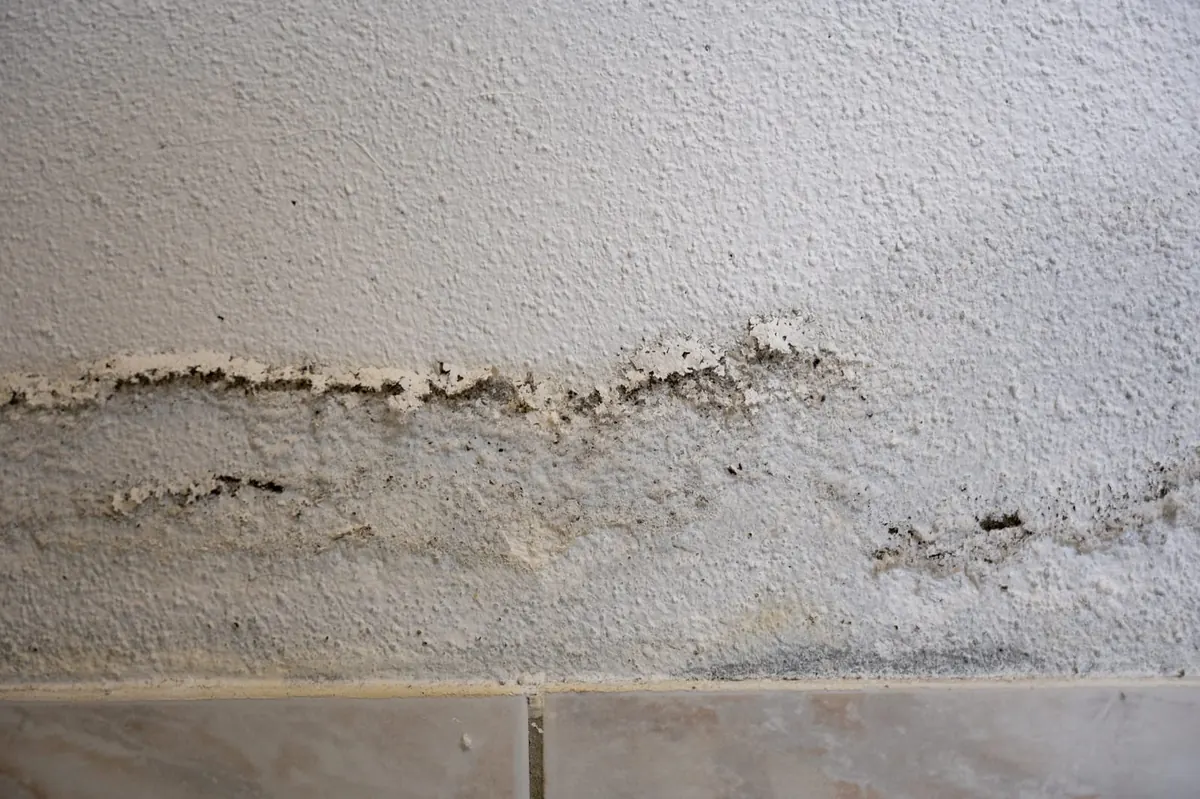
The first cold snap arrives and a tide mark appears along the living room wall of a brick cottage off the Southport Road. A week later the specialist says the plaster must come off to a metre or more, which means a lot of plaster waste in Haskayne homes this winter. The wallpaper is already lifting and the paint is blistering. So it is worth understanding the waste before the hammer and bolster come out.
Haskayne and Downholland have a good share of older properties. They range from cottages and farmhouses along the lanes to houses that sit close to the Leeds and Liverpool Canal. Solid walls, low ground and wet winters are a familiar mix here, and the problems tend to show in November and December.
Why Winter Is When Damp Shows Itself
Through the summer a damp wall can dry out enough to look fine. Once the evenings draw in, windows stay shut, the heating runs and the ground stays wet for weeks at a time. Rising damp, penetrating damp and condensation all become more visible, and salts in the old plaster start to bloom. Many owners decide to deal with it properly now. Then the specialist can treat and re-plaster the walls while the house is quiet over the winter.
The treatment itself is a job for a damp specialist. Our part is making sure the old material has somewhere to go the moment it comes off the wall.
Plaster Waste in Haskayne Is Heavy – Think Weight Not Volume
Hacking off old plaster to a metre or more around a room produces a surprising amount of waste in a short time. Lime and sand plaster from an older cottage comes away in heavy lumps. Dust, bits of brick and old render come with it. Stripping just one ground floor room can fill a good number of builders’ bags, and several rooms will produce several tonnes.
This is where people get caught out. Heavy material like plaster and rubble hits the weight limit long before the skip looks full. A container that seems half empty may already be at its limit. For plaster waste in Haskayne covering more than one room, we would usually recommend an 8 tonne builders skip. It suits exactly this kind of dense building waste. For a single wall or a small section, a 4 tonne midi skip may be enough. Just keep the weight in mind.
Keeping Plasterboard Separate From Other Plaster Waste in Haskayne
In some older houses, previous owners have tried to hide damp by dry-lining walls with plasterboard. When that comes off, it cannot simply go in with the rest of the rubble. The Environment Agency says gypsum waste must not go into landfill cells that take biodegradable waste. It must be separated for reuse or recovery. There is no longer a percentage tolerance, so even a few sheets mixed into the load is a problem.
The practical answer is to stack plasterboard separately or bag it on its own. Then tell us about it when you book, and we will advise on the best way to handle it for your job. Our article on plasterboard disposal and building waste separation in Ormskirk explains the separation in more detail.
Check Textured Coatings Before Anyone Starts Hacking
Damp work often means disturbing more than just wall plaster. The HSE says asbestos can be present in any house built or refurbished before 2000. It names textured coatings such as Artex, ceiling tiles, partition walls, and areas around boilers and in airing cupboards. The HSE guidance on where asbestos is found shows these places room by room. Check a textured ceiling in the same room, or old boards behind a fireplace, before anyone starts knocking things about.
Asbestos can never go in a skip, and it needs a licensed route. If you have any doubt, get it tested first. We have set out the reasons and the alternatives in our guide to asbestos and skip hire.
Where the Skip Can Sit in Haskayne
Many properties around Haskayne and Downholland have yards, drives or hardstanding where a skip can sit off the road. In that case you need no permit. Make sure the lorry can get in, because some of the lanes and gateways near the canal are tight. The ground can also be soft at this time of year.
If the skip needs to go on the road, the permit comes from Lancashire County Council as the highway authority, not the borough council. Only registered skip companies can apply, and the fee is £42 per 28 days. We also have to give two working days’ notice. A skip on the road needs cones and lamps at night, which matters on unlit rural roads in the dark months. We arrange all of that for you, and the Lancashire County Council skip permit guidance has the full rules.
What Happens to the Waste Afterwards
Every load we collect comes back to our own recycling centre. We sort it there rather than pass it on to a third party. We separate hardcore, timber and metal. Old plaster and brick from damp jobs gets proper handling instead of going out as one mixed load. You can read more on our environmental and recycling page.
We have covered similar work elsewhere in our patch. The piece on damp proofing waste in Waterloo shows how quickly older properties can fill a skip once the plaster starts coming off.
Planning Plaster Waste in Haskayne This Winter
The order of work matters. Get the survey done, and check for asbestos if the house is old enough. Book the skip for the day the strip-out begins, and keep plasterboard to one side. Take damp plaster out of the house as it comes off rather than piling it in the next room. Otherwise the dust spreads and the bags get trodden in.
We cover Haskayne, Downholland and the villages around them from our base in Ormskirk. Our page on skip hire in Haskayne has more on how we work locally. Tell us how many rooms you are stripping and how much plaster waste in Haskayne you expect. Also mention any plasterboard or textured coatings, and where the skip can go. We will then tell you plainly which size suits. Ring our team on 01704 779345 or use our contact page.