
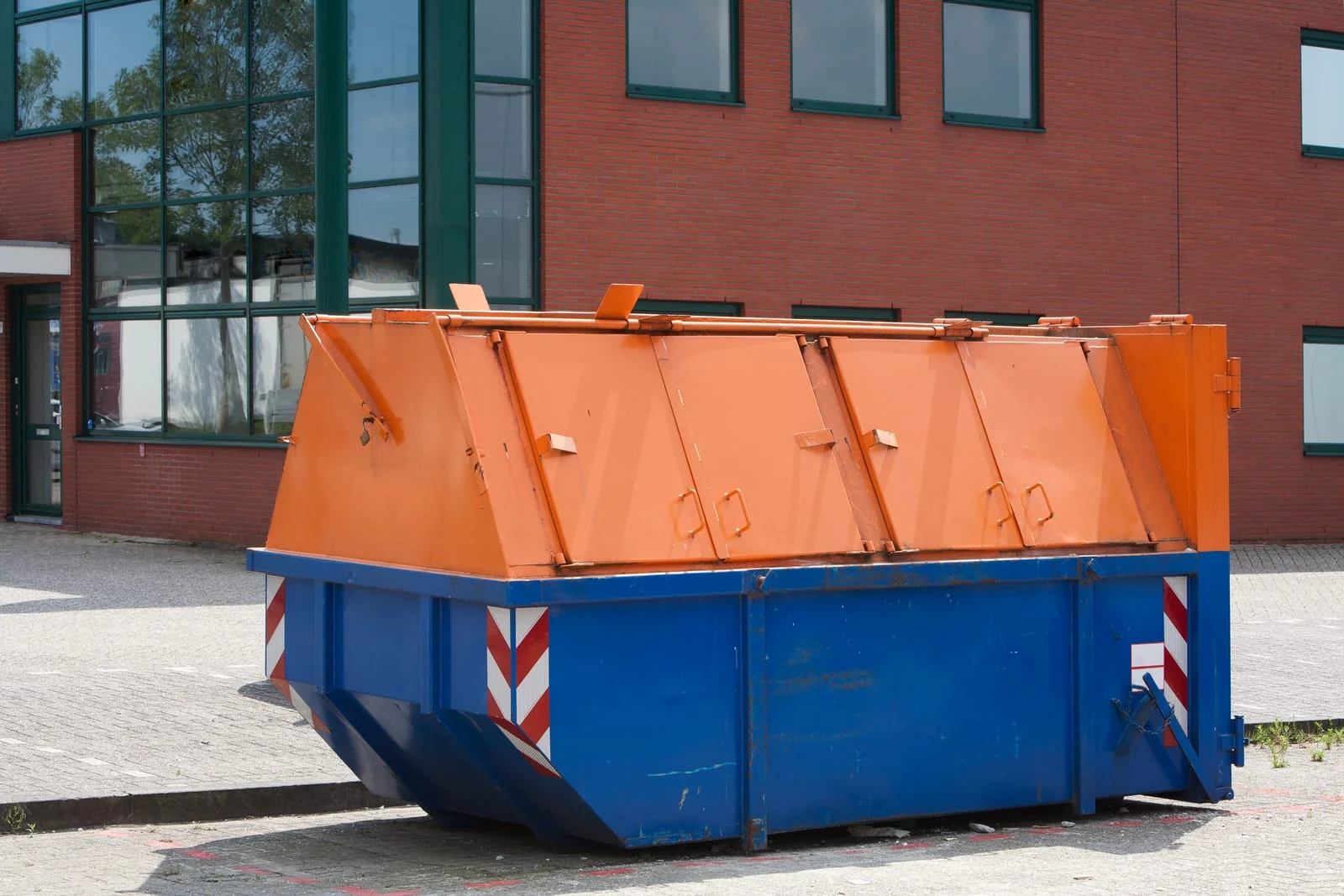
Schools do their building and clearing work in the holidays because there is no other option, and that compresses a fortnight of work into a fixed window with a hard deadline at the end of it. School premises clearance also involves several materials that cannot simply be put in a container, which is worth knowing before the site manager finds out on the Tuesday. Our Blundellsands skip hire service supports a number of these locally.
Plan it around the window, not the volume
The waste itself is rarely the difficulty. The difficulty is that everything has to be delivered, filled, collected and gone before staff return, and a skip sitting full for four days in a two week closure wastes a quarter of the programme.
What works is agreeing the exchange schedule before the holiday starts rather than ringing when a container is full. Tell us the closure dates and the phases of work, and we will build the deliveries and collections around them. We would far rather plan it in March for an Easter closure than react to it.
The other timing point is the collection at the end. A container left on a school car park on the morning staff return is a problem for everyone, so the final collection wants booking as firmly as the first delivery.
Paperwork does not go in a skip
This is the one that causes genuine trouble. Clearing an office, a store room or a filing cupboard in a school produces paperwork, and a proportion of that paperwork contains personal data about children, families and staff.
That material needs secure destruction with a certificate, not a skip. A container on a car park is not a secure environment, and paperwork in an open skip on a windy day does not stay in the skip. This is not an area to take a view on.
Separate it at the point of clearing rather than sorting a skip out afterwards. Confidential material into locked consoles for a specialist collection, everything else into the container.
Electrical equipment and what it involves
Schools generate a great deal of electrical waste, and it arrives all at once when a suite or a department is refreshed. Computers, monitors, projectors, interactive boards, kitchen equipment and laboratory items.
None of it belongs in a general skip, and our guide to how to dispose of electrical waste responsibly covers where it goes. Anything with a hard drive in it raises the same data question as the paperwork, so wiping or destruction needs arranging separately from disposal.
Fridges, freezers and any refrigerated catering equipment need the coolant recovering by a qualified person before the shell becomes scrap. Flag those when you book rather than on the day.
Older buildings and what to check
A good number of school buildings in this area date from periods where materials now controlled were used routinely. Ceiling tiles, boiler and pipe lagging, soffits, older floor tiles and the panels in some system built classroom blocks all warrant checking before anything is disturbed.
Any school of that age will have an asbestos management survey and a register. Read it before the works are specified, not after, and make sure the contractor has seen it. Our guide to hazardous waste and why it cannot go in a skip explains what needs a licensed contractor instead of a container.
Grounds work and safety surfacing
Where the works involve the outside areas, the material changes again. Old wet pour rubber safety surfacing comes up in bonded sheets and is bulky. Play equipment is usually a mix of treated timber, steel and plastic, and the timber posts often come out with a substantial concrete foot on the end of each one.
Those concrete feet are the heavy part of an otherwise light load, and they are easy to overlook when sizing. Keep them separate from the rest if you can, because clean concrete crushes down and gets recovered while a mixed load does not. Our environmental and recycling page explains how the sorting works.
Duty of care and the transfer note
Waste from a school is controlled waste produced by an organisation, so the school or the trust carries a duty of care over it. That means a registered carrier, a waste transfer note for every collection and those notes being kept on file.
Our skip hire duty of care guide sets out what the documentation should show. We are a licensed waste carrier and site operator and the notes come as standard, which matters when the paperwork is being reviewed by someone who was not there at the time.
Sizing and access
School clearances are bulky rather than dense. Furniture, fittings and boxed materials take enormous room and weigh comparatively little, so size for volume. An 8 tonne builders skip covers most single phase work, and for larger programmes our commercial skip hire service handles bigger containers on a planned schedule.
Placement needs thinking about even in a holiday. Site security, pedestrian routes for any staff still on site, and the position of the container relative to the work all matter. A skip on a school site should not be somewhere a child could reach it if any part of the site remains in use.
We cover this area daily, running Crosby skip hire and Waterloo skip hire jobs alongside Blundellsands.
Ring us on 0151 909 6399 with the closure dates and the scope, and we will schedule it properly. Our contact page is there if the business manager would rather have it in writing.